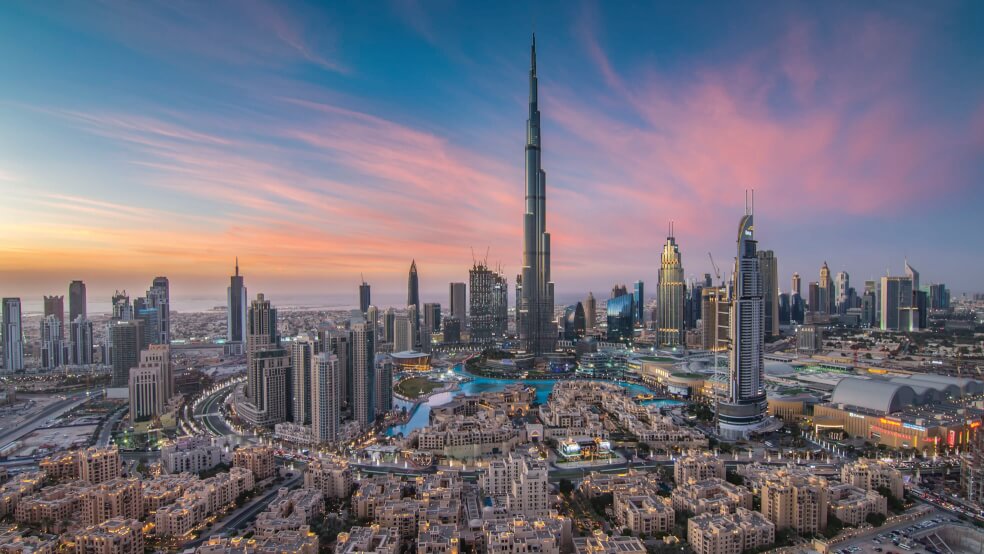
If you are weighing whether to invest in Dubai in 2026, start with the practical stack rather than the brochure: designated freehold areas for property, mainland versus free-zone licensing for a company, and residency routes that actually sit on Dubai Land Department (DLD) or federal pages. This guide is written for investor-curious visitors and people testing a longer stay — confident on process, cautious on numbers, and tied to named sources you can open yourself.
Why the 2026 window still matters
Demand for Dubai as a place to visit, live and allocate capital sits on more than marketing. Gulf News reported on 9 February 2026 that the Dubai Department of Economy and Tourism recorded 19.59 million international overnight visitors in 2025, up 5 per cent year on year, with average hotel occupancy at 80.7 per cent. That is tourism strength feeding hotels, retail and short-stay demand — not a promise that every flat will rise.
On population, Digital Dubai’s 30 July 2026 announcement put the emirate’s resident population at 4.580 million by the end of 2025, a 7.5 per cent rise on the previous year. More residents usually mean more housing and services demand; they do not erase supply risk in districts that are handing over large volumes of studios and one-beds.
Policy direction is explicit. The official UAE Government portal summarises the Dubai Economic Agenda D33 as a plan to double the size of Dubai’s economy by 2033 and place the city among the world’s top three. For property specifically, DLD’s January 2025 freehold-conversion news — 457 plots on Sheikh Zayed Road and in Al Jaddaf, with a 30 per cent conversion fee of valuation based on gross floor area — sits inside the wider Dubai Real Estate Strategy 2033 framing. On the company side, Executive Council Resolution No. (11) of 2025 creates regulated DET routes for eligible free-zone establishments to operate on the mainland, while most mainland commercial activities already allow 100 per cent foreign ownership subject to activity and strategic-sector rules. None of that is a tip sheet. It is the backdrop against which costs, fees and due diligence still decide outcomes.
Property: freehold rules and a market that is normalising
Non-nationals buy freehold only in designated areas. Treat that as a first filter, not a footnote: confirm the plot or unit status on DLD systems and through a RERA-registered broker before you pay a reservation fee. For a neighbourhood-level visitor view of living stock, use our Dubai homes and real estate guide.
The cycle story for late 2025 into 2026 is boom followed by normalisation, not a single headline yield. Khaleej Times on 11 February 2026 cited Cushman & Wakefield that city-wide residential values rose 13 per cent year on year in 2025, after sharper gains of 22 per cent in 2023 and 18 per cent in 2024. Gulf News on 30 July 2026 reported Cavendish Maxwell’s H1 2026 reading: about 24,800 new homes completed, with sales prices easing 2.6 per cent quarter on quarter while still nearly 2 per cent higher year on year — more choice for buyers as the market shifts from launch-led to delivery-driven. Khaleej Times on 9 September 2026 carried ValuStrat’s August view: a gentle cool, with the citywide ValuStrat Price Index down 0.2 per cent month on month and most freehold communities still holding value. Attribute those figures to the consultancies named in the papers; they are snapshots, not forecasts you should bake into a spreadsheet without your own lawyer and surveyor.
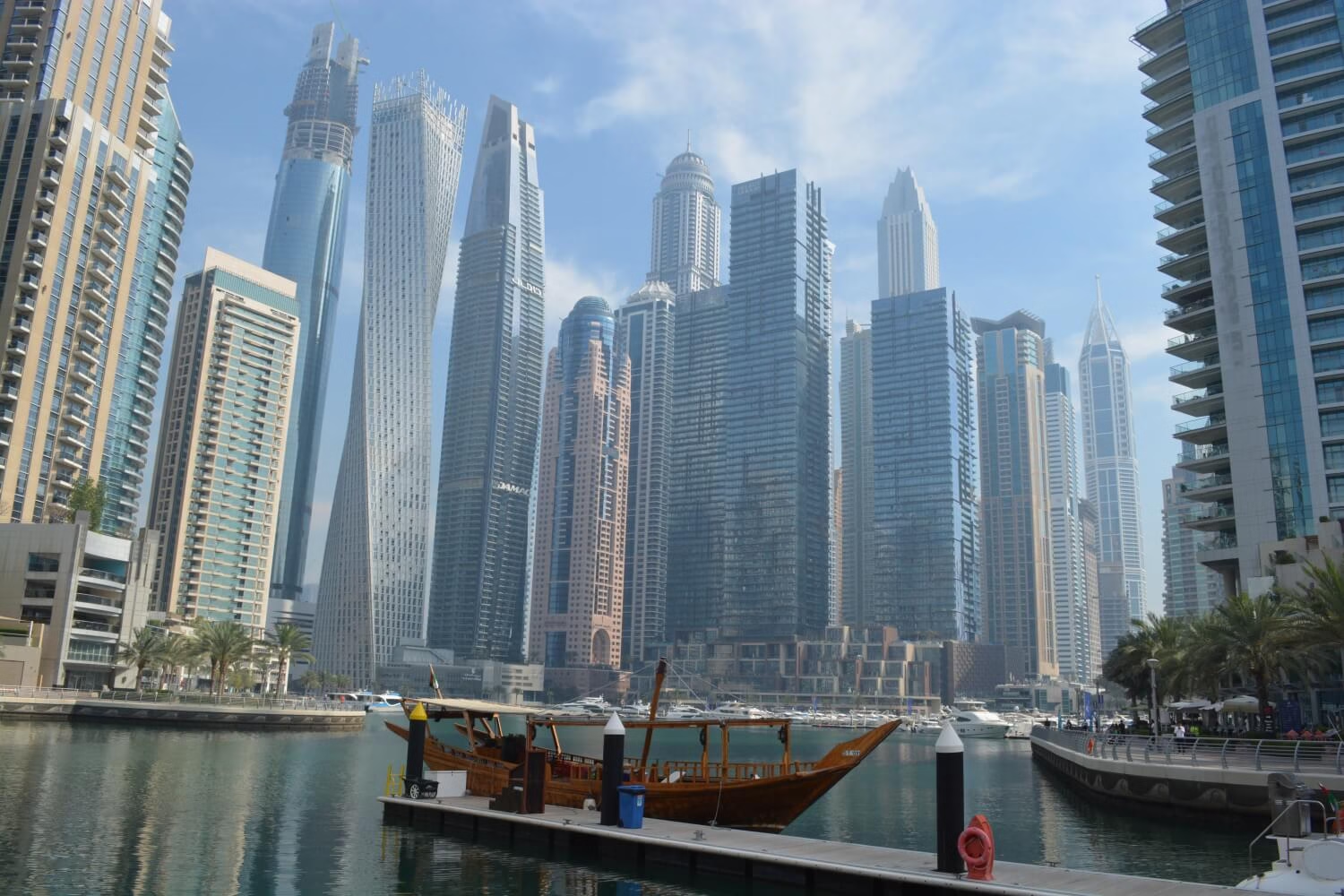
Process matters as much as price. Off-plan purchases sit under Dubai’s escrow framework (Law No. 8 of 2007): buyer funds should go into a project escrow account, not into informal channels. On transfer, buyers commonly budget the DLD land transfer fee of 4 per cent of the property value under Executive Council Resolution No. 30 of 2013, plus agency, trustee and admin costs — confirm the live fee schedule on DLD before you negotiate. Use RERA-registered brokers, and register tenancy contracts through Ejari if you will rent the unit out. Off-plan marketing is not a guaranteed return; treat “expected yield” claims as sales language until independent numbers say otherwise.
Business setup: mainland versus free zone
Choosing where to licence is a trade-off between market access, office rules and cost. Mainland companies can generally trade across the UAE subject to their licence; free-zone companies historically focused on zone-to-zone and international work, with Resolution 11/2025 adding clearer DET pathways for eligible free-zone establishments to operate onshore under defined licences or temporary permits. For zone options and sector focus, see our Dubai free zones overview and the Dubai startup guide. Broader context sits in the Dubai economy page.
| Point | Mainland | Free zone |
|---|---|---|
| Ownership | 100% foreign ownership for most activities (strategic sectors excepted) | Typically 100% foreign ownership within the zone |
| Market access | Trade onshore under the mainland licence | Zone and international focus; mainland access needs the right DET or branch route |
| Office | Physical office rules set by DET / licensing authority | Flexi desk to fitted office, package-dependent |
| Visa quotas | Linked to office size and activity | Often tied to package and desk type |
| Best fit | Serving UAE customers directly | Export-oriented, trading or specialised clusters (e.g. DMCC) |
Package prices are examples only and change. On DMCC’s published business setup packages page, the Basic Biz package is listed at AED 35,484 (advance payment in full), aimed at individual shareholders with a special flexi desk; Jump Start and other packages sit higher. Costs vary by activity, office type, visas and promotions — treat those figures as a starting quote from the free zone’s own site, not a fixed budget for every company.
Mainland steps usually run through Dubai Economy and Tourism digital channels and the federal u.ae business guidance: reserve a trade name, choose activities, arrange an office that meets the licence, obtain initial approvals, then issue the licence and establishment card before visa typing. Bring passport copies, proof of address and a clear activity list; many steps are digital, but Emirates ID biometrics and medical fitness still need physical presence once you are in-country.
Residency: Golden Visa, Taskeen and other investor routes
Property-linked residency is the clearest visitor-to-investor bridge, but thresholds differ by product. Prefer DLD’s own service pages over secondary blogs.
- Golden Visa (property investor): DLD’s Request for Golden Visa – Investor service applies where the property purchase value is AED 2 million or more at the time of purchase (one or more properties in the applicant’s name). Mortgaged property can qualify if a bank letter shows at least AED 2 million paid. The applicant must be inside the UAE. DLD lists total fees at AED 9,884.75 for the main applicant and a service time of 7–10 business days — reconfirm on the live page before you budget.
- Taskeen 2-year investor visa: DLD’s investor residence (Taskeen) page states that an individual owner may apply regardless of property value, while a joint owner needs a share of at least AED 400,000. The listed fee for the 2-year investor visa is AED 10,212.50, with the same 7–10 business day processing window. That “regardless of value” line is what the live DLD page says today; always re-read eligibility before you travel.
- Other investor routes: Company investment, deposits and related categories are handled through federal and emirate residency channels, including GDRFA Dubai. Typical public guidance still references substantial capital thresholds (often discussed around AED 2 million for certain investor categories), but exact product names and documents change — check GDRFA and ICP before you rearrange capital.
For visitor entry first, see Dubai entry requirements and the wider residence visa in Dubai guide. Residency is a process with medicals, Emirates ID and insurance — not a stamp you collect on a viewing day.
Tax reality — without the “tax-free country” myth
The UAE does not levy personal income tax on salary in the usual sense. That is not the same as calling Dubai a tax-free country. Five per cent VAT applies to most goods and services. Corporate Tax under Federal Decree-Law No. 47 of 2022 applies at 0 per cent on taxable income up to AED 375,000 and 9 per cent above that threshold, as summarised on the u.ae Corporate Tax page. Free-zone status does not automatically mean 0 per cent corporate tax: Qualifying Free Zone Person rules, substance and “qualifying income” tests matter. Budget for accounting advice early if you will trade at scale.
Risks you should price in before you commit
- Cooling and liquidity: After multi-year gains, consultancies describe normalisation and selective softness. Exiting a niche off-plan unit can take longer than a glossy brochure implies.
- Supply concentration: Large pipelines of studios and one-beds in a handful of districts can pressure rents and resale prices even while villas hold up — Cushman commentary in Khaleej Times flagged that concentration risk for 2026–27 deliveries.
- Off-plan is not return-guaranteed: Escrow protects project funds under the law; it does not guarantee capital growth or rental income.
- Fee stack: Transfer fee, agency, trustee, service charges, fit-out, visa medicals and insurance add up quickly. Model the all-in cost, not the asking price alone.
- Tax reality: VAT and Corporate Tax exist; free-zone branding is not a substitute for CT classification.
- Due diligence: Title, Oqood, developer track record, building service-charge history and RERA broker status belong on a checklist, not in a later email.
- Rules change: Visa thresholds, freehold maps and licensing circulars are updated. Prefer DLD, DET, GDRFA and u.ae over screenshots of old posts — including this one if a live page disagrees later.
A practical research visit
A short trip beats another week of online listings. Book viewings with RERA-registered agents across at least two communities, and ask for recent service-charge statements. Walk into a DLD trustee office or Golden Visa / Taskeen centre only when you have title documents ready — DLD pages list Al Manara Cube and other channels with weekday hours. For company setup, complete digital name reservation and activity selection before you land, then leave diary space for office inspection and biometric appointments. Carry certified passport copies, proof of funds letters if a bank is involved, and a simple one-page brief of what you will buy or licence. Metro and road access still shape daily life for many investors who stay; the Dubai Metro guide and infrastructure under construction overview help you judge commute reality rather than renderings. Expo City context, if relevant to your visit pattern, is on the Expo City Dubai metro page.
Conclusion
To invest in Dubai well in 2026 is to pair opportunity with paperwork. Tourism and population figures remain strong on official and newspaper records; property consultancies describe a market that is cooler than the peak boom years; business and residency routes are open but rule-bound. Read the DLD, DET, DMCC and u.ae pages yourself, hire regulated professionals, and treat every yield claim as marketing until proven. That is how resident practice actually works — patiently, with documents in order.
FAQ
Can foreigners buy freehold property in Dubai?
Yes, but only in designated freehold areas. Confirm the unit or plot status through DLD and a RERA-registered broker before you pay.
How much property do I need for a Golden Visa?
DLD’s Golden Visa investor service requires property with a purchase value of AED 2 million or more at the time of purchase. Fees listed on the service page total AED 9,884.75 for the main applicant; you must apply from inside the UAE.
Is Dubai tax-free for investors?
No. There is no personal income tax on salary in the usual sense, but 5 per cent VAT applies widely, and Corporate Tax is 0 per cent up to AED 375,000 of taxable income then 9 per cent above, under Federal Decree-Law 47/2022. Free zones are not automatically zero-rated for CT.
Should I choose a free zone or mainland company?
Choose mainland if you need broad onshore trading under a DET licence. Choose a free zone for cluster benefits and international focus, then check Resolution 11/2025 routes if you later need mainland activity. Match the licence to the customers you will serve.
Are off-plan Dubai properties a guaranteed return?
No. Escrow rules protect project funds under Law 8/2007; they do not guarantee capital appreciation or rental income. Underwrite the developer, location and fees yourself.
Key Takeaways
- DET via Gulf News: 19.59 million international overnight visitors in 2025 (+5%), occupancy 80.7%.
- Digital Dubai: population 4.580 million end-2025 (+7.5%).
- Market read: Cushman (+13% values in 2025), Cavendish (H1 2026 QoQ cooling with more supply), ValuStrat (gentle cool in August 2026) — attribute to the consultancies.
- Freehold only in designated areas; escrow Law 8/2007; plan for the 4% DLD transfer fee plus other costs.
- Golden Visa property route from AED 2m (DLD fees AED 9,884.75 listed); Taskeen 2-year investor visa per live DLD criteria.
- Tax: no salary income tax in the usual sense; 5% VAT; CT 0% to AED 375k then 9%; free zone ≠ automatic 0% CT.
- Price cooling, supply concentration, fee stacks and rule changes before you wire funds.