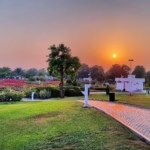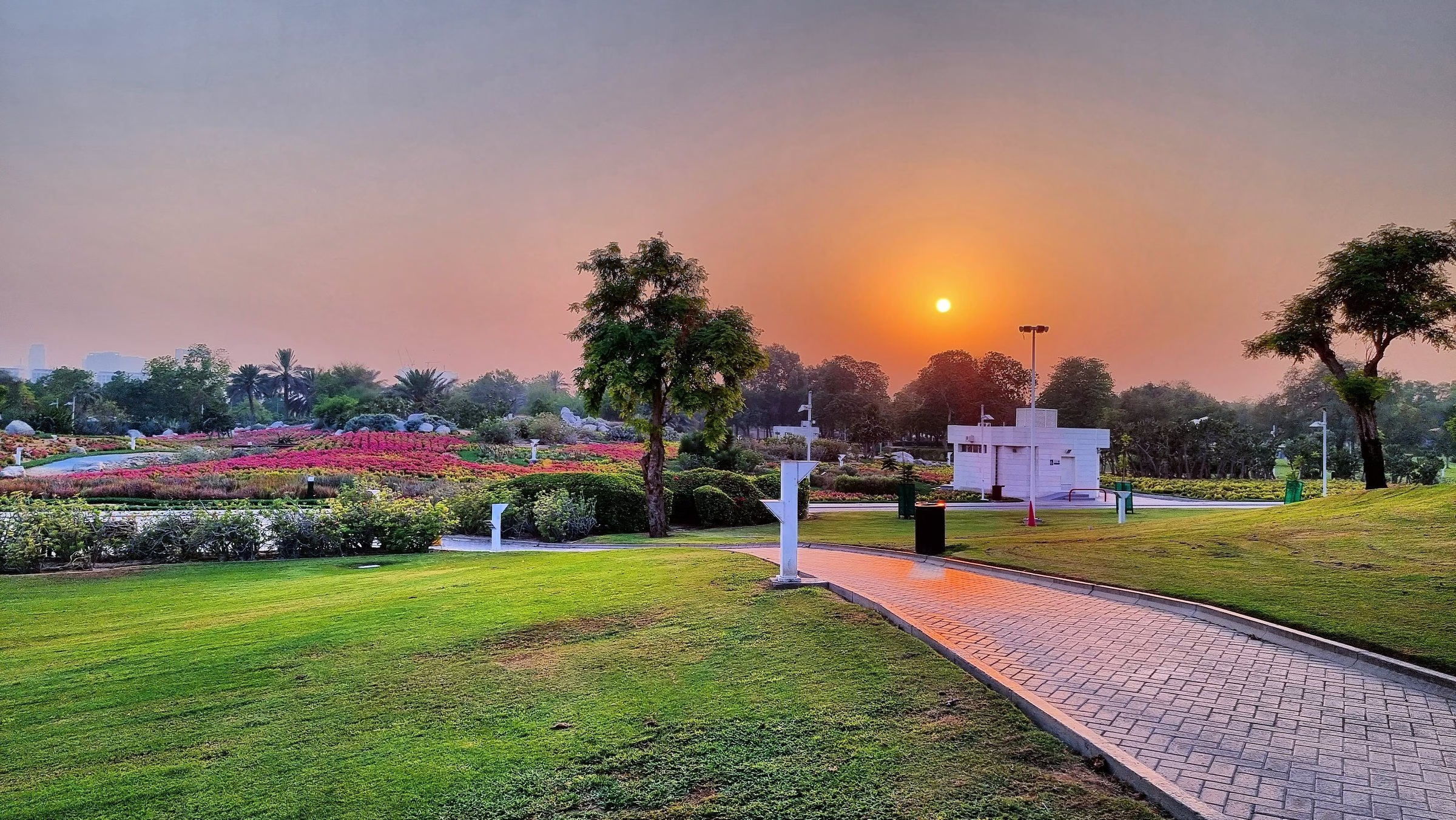
Creek Park at sunset. Photo: Ahmad3027, Wikimedia Commons, “CREEK PARK DUBAI”, CC BY-SA 4.0 (resized).
Most of us meet Dubai Municipality long before we know its name. It is there in the shaded lawns of Creek Park, the clean sand at Jumeirah Public Beach, the hygiene checks behind a restaurant kitchen and the stamp on a building permit. This morning, the rulebook behind all of that changed. A new Dubai Municipality law, signed by Sheikh Mohammed bin Rashid Al Maktoum, replaces an order that had stood since 1961.
So what does Law No. (18) of 2026 actually do, and does anything change for residents or visitors this week? This guide sets out what Gulf News, Khaleej Times and Arabian Business reported. It then turns that into practical advice for everyday life in the city.
What the Dubai Municipality Law Says
The Dubai Media Office announced the law on X shortly after 10am Dubai time on Thursday 12 November 2026. Khaleej Times published the story at 10:22, and Gulf News and Arabian Business followed at 11:04. All three describe the same core points.
- It replaces the 1961 founding order. Law No. (18) of 2026 supersedes the 1961 Order Establishing the Dubai Municipality Council.
- It covers the whole emirate. The Municipality’s powers apply across Dubai, including special development zones and free zones such as DIFC, unless another law exempts a zone.
- It sets clear objectives. These include sustainable urban planning, protecting urban heritage, more green space and better public facilities.
- It confirms inspection powers. The Municipality can carry out oversight and inspections and check compliance with the law.
- It allows outsourcing. The Municipality may hand some functions to a public or private body under a formal agreement.
- It sets the chain of command. The Director General is appointed by decree of the Ruler and answers to the Executive Council of Dubai.
Arabian Business summed it up as a modernisation of the Municipality’s legislative framework. In other words, this is a foundation law rather than a list of new fines.
Why a 1961 Rulebook Needed Replacing
When the original order was issued, Dubai was a trading town clustered around the Creek. Today, however, the same body oversees a city of towers, master communities and free zones. Its old founding text simply predates almost everything a modern resident uses.
The new Dubai Municipality law therefore spells out what the Municipality is for. According to all three papers, its objectives include building a “future-ready city” that improves quality of life, happiness and wellbeing. It also aims to support economic growth while preserving the emirate’s urban heritage.
Crucially, the Dubai Municipality law brings free zones and special development zones clearly within the Municipality’s reach. Unless a specific provision exempts them, the same standards should now apply in places such as DIFC as in older neighbourhoods.
What Changes Today, and What Does Not
The short answer is that very little changes overnight. The law takes effect once it is published in the Official Gazette. However, existing regulations, local orders and bylaws stay in force as long as they do not conflict with the new law.
In other words, the rules you already know still apply. Beach rules, park rules, building permits and food safety standards continue as before. New regulations will replace them gradually, and each one should be announced separately.
For that reason, be wary of social media posts that claim new fines or bans under the law. None of the three outlets reported any specific penalty today. If a new rule matters to you, check the Municipality’s own website or the Dubai Media Office before acting on it.
Parks, Beaches and Green Space
For most readers, the most tangible part of the Dubai Municipality law is its promise on public space. The papers report that the Municipality aims to develop world-class public and recreational facilities and expand green spaces across the emirate.
In fact, that ambition is already visible. The Municipality is currently asking residents to name 35 new community parks, which we covered in our guide to the Name Your Park competition. It also runs free outdoor desks at Al Barsha Pond Park, explained in our Work From Park guide.
So, if you want to enjoy the city’s public spaces this winter, these are good places to start.
- Creek Park: long lawns and creekside paths in Bur Dubai, ideal for a picnic at sunset.
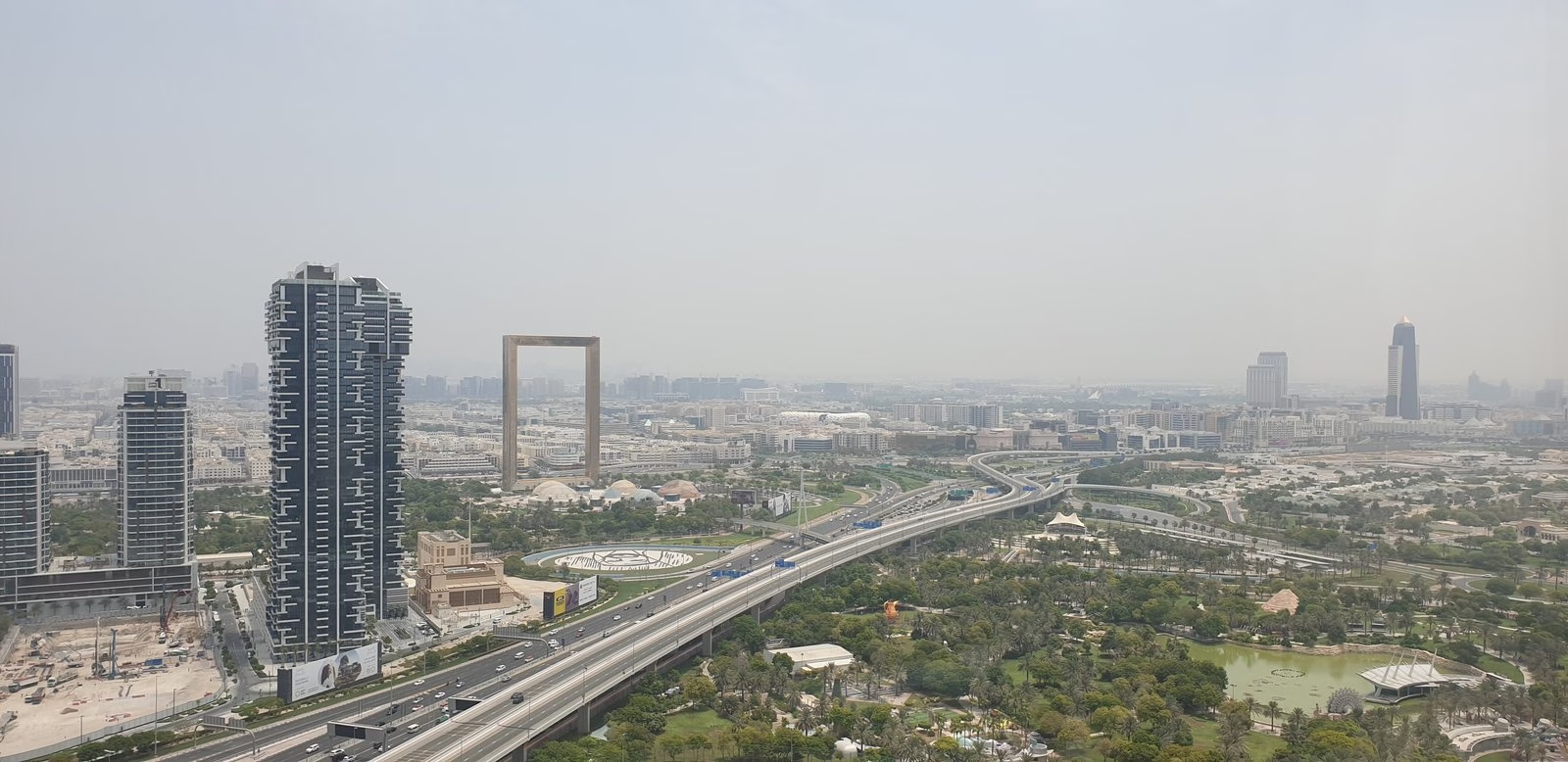
- Zabeel Park: wide green spaces beside the Dubai Frame, close to the Metro.
- Mushrif Park: woodland trails and cooler shade on the edge of Mirdif.
- Jumeirah Public Beach: free sand, showers and lifeguards close to the city centre.
- Al Mamzar Beach Park: sheltered bays and lawns on the Deira side of the city.
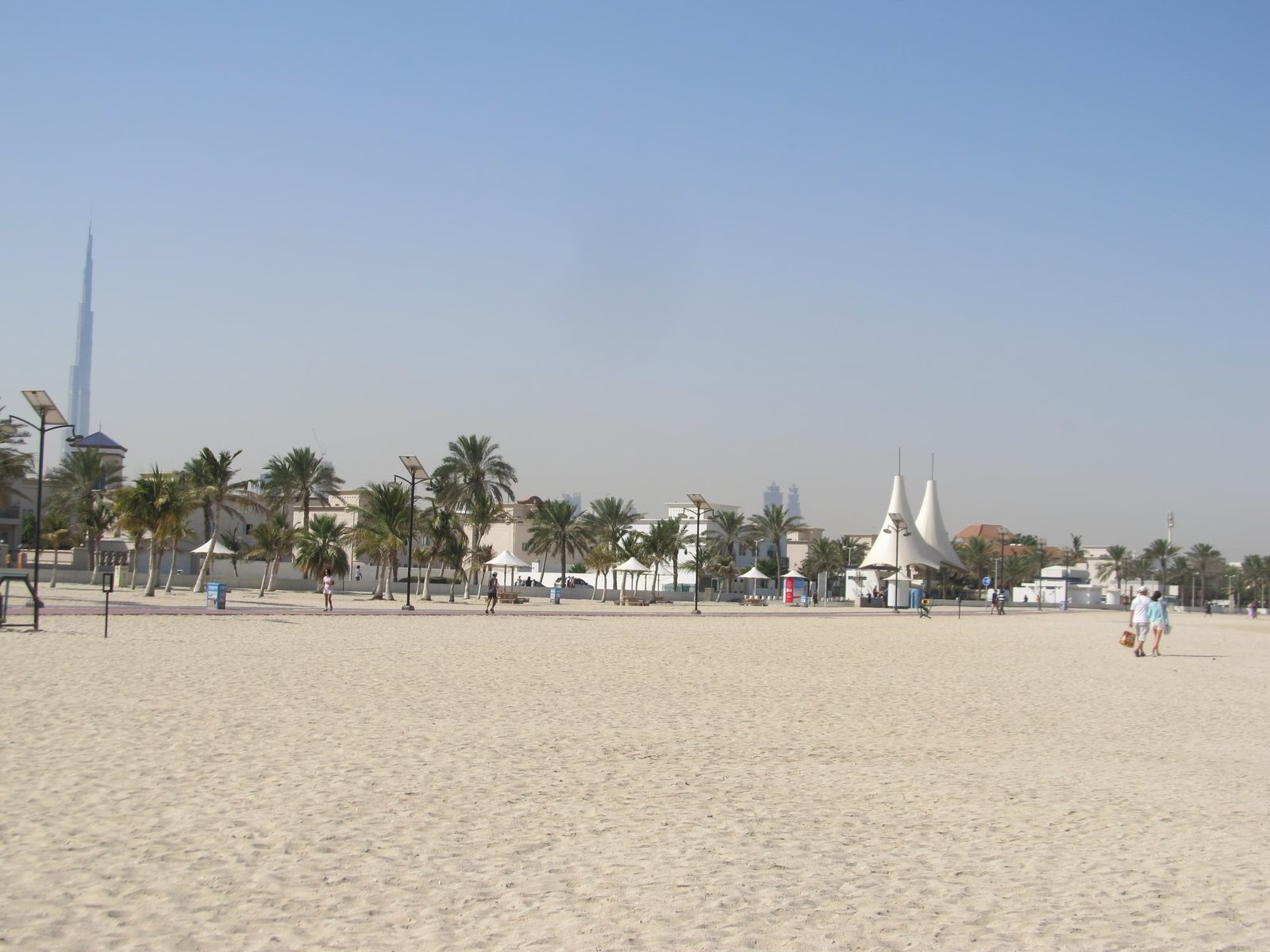
Meanwhile, if you are planning a beach day, our guide to Kite Beach covers food, water sports and the best times to go.
Building, Food Safety and Waste
The law also names areas that most of us notice only when something goes wrong. It aims to advance the building and construction sector through advanced technology. At the same time, it commits to public health, safety and food safety in line with international best practice.
Similarly, waste management sits on the same list. The papers report that the Municipality will develop infrastructure and integrated waste management to make better use of resources.
In practice, this matters to residents in three ways.
- Home renovations: works still need the correct permits, and inspectors can check compliance.
- Eating out: restaurant hygiene remains a Municipality responsibility, so report any serious concern.
- Shared housing: occupancy rules still apply, as our guide to Dubai shared accommodation rules explains.
The Duty to Cooperate
One clause of the Dubai Municipality law deserves attention. The law requires all persons and government entities to cooperate fully with the Municipality. That includes providing any data, documents, statistics or reports it requests to carry out its role.
For an ordinary resident, then, this mostly means answering inspectors politely and keeping paperwork in order. For landlords, contractors and food businesses, it is a clear reminder that records matter. Keep permits, contracts and hygiene certificates easy to find.
Outsourcing and Partnerships
The Dubai Municipality law also lets the Municipality outsource functions or powers to public or private bodies. However, each arrangement needs an agreement that sets out rights, obligations and standards.
Likewise, the objectives include stronger partnerships with the private sector and new economic opportunities. You may therefore see more services delivered by contractors on the Municipality’s behalf. The standards, however, remain the Municipality’s to set and enforce.
How to Contact Dubai Municipality
If you need to report a problem or ask a question, a few routes work well.
- Call centre: dial 800900 for general enquiries and complaints.
- Website: visit dm.gov.ae for services, permits and official announcements.
- Official news: follow the Dubai Media Office for new regulations as they are issued.
As a rule, take a photo and note the exact location before you report anything. After all, a clear report is usually dealt with much faster.
What It Means for Visitors
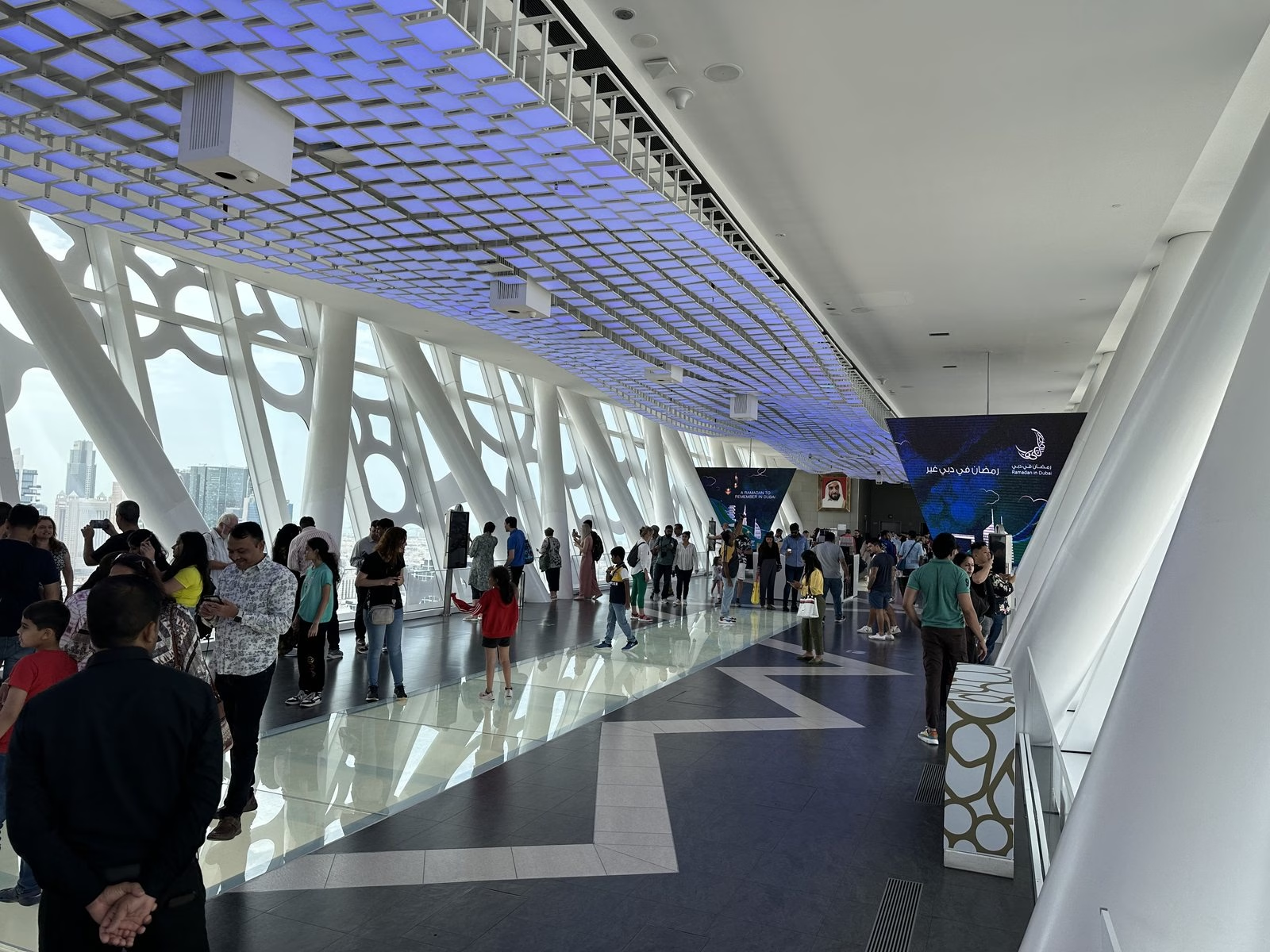
If you are visiting Dubai, you will not notice the Dubai Municipality law directly. For example, your beach towel, park picnic and Dubai Frame ticket work exactly as before. Still, the direction of travel is encouraging: more parks, more public facilities and tighter standards across every district.
For a wider view of the city’s values and expectations, our piece on seven rules for life in Dubai is a helpful companion read.
Conclusion
The Dubai Municipality law is a quiet but significant piece of housekeeping. It replaces a 1961 order with a modern framework, extends clear standards across free zones and puts parks, heritage, food safety and waste on a firm legal footing. In the meantime, nothing changes for your weekend plans. Over the coming months, though, watch for new regulations built on this law, and check official sources before you believe any claim about fines.
FAQ
What is Law No. (18) of 2026?
It is the new Dubai Municipality law issued by Sheikh Mohammed bin Rashid Al Maktoum on 12 November 2026. It defines the Municipality’s objectives, powers and structure, and replaces the 1961 founding order.
Does the law introduce new fines?
Gulf News, Khaleej Times and Arabian Business reported no new fines. Existing rules stay in force unless they conflict with the new law.
Does the law apply in free zones such as DIFC?
Yes. The Municipality’s powers now extend across Dubai, including special development zones and free zones, unless a specific law exempts a zone.
When does the law take effect?
It takes effect from the date it is published in the Official Gazette.
How do I contact Dubai Municipality?
Call 800900 or use the services on dm.gov.ae.
Key Takeaways
- Law No. (18) of 2026 replaces the Dubai Municipality’s 1961 founding order.
- Its powers cover the whole emirate, including free zones such as DIFC, unless a zone is exempted.
- Its objectives include urban planning, heritage, green space, waste management, construction standards and food safety.
- Existing rules continue until new regulations replace them.
- The Municipality may outsource functions under formal agreements.
- Everyone must cooperate with Municipality requests for information.
Useful Links
- Gulf News: Sheikh Mohammed issues new law defining Dubai Municipality’s role
- Khaleej Times: Sheikh Mohammed issues new law on Dubai Municipality
- Arabian Business: Dubai reveals landmark law on urban planning and construction rules
- Dubai Municipality official website
- Name Your Park Dubai: how to enter