Sunset in Dubai Hills Estate. Photo: Emirateshills777, Wikimedia Commons, CC BY-SA 4.0 (cropped and resized).
A cheque handed over in March, a one-month deadline and a transfer that never happened: that is how a Dh700,000 property in Dubai Hills turned into a Dh460,000 lesson. On 21 November, Gulf News reported that a Dubai court had ordered a seller to refund a buyer’s deposit and pay the same amount again as compensation. For anyone handing over a Dubai property deposit this winter, the ruling is worth reading closely.
This guide explains what the court decided, why the contract wording mattered so much, and how buyers and sellers can protect themselves. It also walks through the normal steps of a resale purchase, so you know what should happen and when.
What the Dubai court decided
According to Gulf News, the two parties agreed a price of Dh700,000 in March. The buyer paid a Dh230,000 deposit. They also handed over a cheque for the balance and a separate Dh35,000 cheque to cover registration fees.
The contract gave the seller one month to produce the title documents. Within that time, the seller also had to complete the transfer at the Dubai Land Department. However, the deadline passed and the property stayed in the seller’s name.
The buyer then went to court. The Dubai Court of First Instance terminated the agreement, as Gulf News reported. It ordered the seller to return the Dh230,000 deposit and pay a further Dh230,000 in compensation. On top of that, the seller owes 5 per cent annual interest from the date the lawsuit was filed until the money is paid.
Gulf Today carried the same case on the evening of 20 November and described the court as the Dubai Real Estate Court. Al Khaleej, the Arabic daily, also covered it on 21 November. Khaleej Times and Arabian Business had not reported the ruling at the time of writing.
Why the contract wording made the difference
The court did not invent a penalty. Instead, it enforced the one the parties had already signed. The contract said that if the seller withdrew for reasons within their control, the buyer could cancel and recover the deposit plus an equal amount. A separate clause set a 10 per cent penalty if the transfer was not completed.
The court also found no evidence that the seller had taken any step towards the transfer. By contrast, the buyer could prove that the deposit and the cheques had been handed over. In the court’s view, failing to register the sale without an acceptable reason amounted to walking away from it.
So the real lesson is simple. Your Dubai property deposit is only as safe as the clauses around it. A clear deadline, a clear withdrawal clause and proof of payment turned a frustrating delay into a strong legal claim.
How a Dubai resale purchase normally works
Most ready-property sales in Dubai follow a familiar sequence. The details vary by deal, but the order below is typical.
- You agree a price, usually through a broker registered with RERA, the Real Estate Regulatory Agency.
- Both sides sign a memorandum of understanding, commonly the standard RERA contract known as Form F.
- The buyer pays a deposit, often around 10 per cent of the price, and the broker usually holds the cheque until transfer.
- The seller requests a no-objection certificate from the developer, which normally means clearing any unpaid service charges first.
- Both parties meet at a Dubai Land Department trustee office, where the remaining payment changes hands.
- The Dubai Land Department registers the sale and issues a new title deed in the buyer’s name.
In the Dubai Hills case, the deposit was roughly a third of the price, which is far higher than usual. That made the stakes unusually large for the buyer. It also explains why the equal-compensation clause produced such a striking total.

Seven checks before you pay a Dubai property deposit
A few careful steps before signing can save months of stress later. These are the checks experienced buyers in Dubai tend to make.
- Confirm that the broker and the listing are licensed, using the Dubai REST app or the Dubai Land Department website.
- Ask to see the title deed and check that the seller’s name matches the passport or Emirates ID in front of you.
- Find out whether the property is mortgaged, because the seller’s bank will need to be paid off before transfer.
- Insist on a written transfer deadline, ideally with a specific date rather than a vague window.
- Read the withdrawal clause carefully and make sure it applies to both sides.
- Pay the deposit by cheque or bank transfer, never in cash, and keep copies of everything.
- Budget for the 4 per cent Dubai Land Department transfer fee, plus trustee and agency fees.
If anything feels rushed, slow down. In practice, a genuine seller will rarely object to a buyer who asks for documents.
If you are the seller
Sellers have obligations too, and this ruling shows that missing them can be costly. Before you sign, make sure you can actually deliver on time.
- Check that your title deed is in order and that every co-owner agrees to the sale.
- Clear outstanding service charges early, so the developer can issue the no-objection certificate.
- Ask your bank for a liability letter if a mortgage is still running.
- Agree a deadline that leaves room for paperwork, rather than promising a transfer you cannot complete.
- If a genuine problem arises, tell the buyer in writing and try to agree an extension.
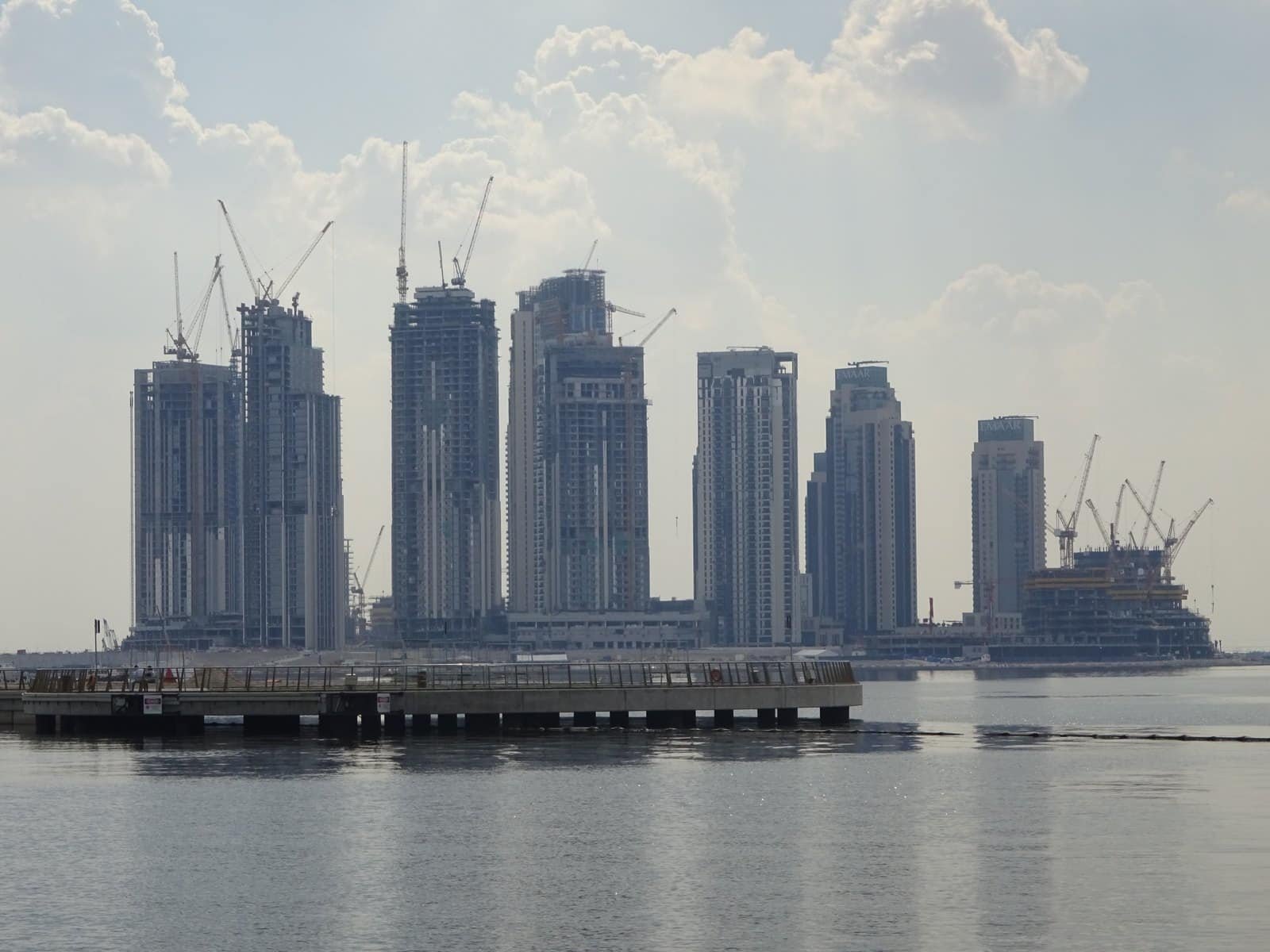
Off-plan purchases follow different rules
Buying from a developer before completion is a separate process. Under Dubai’s rules, payments for off-plan units go into a project escrow account rather than straight to the developer. The sale is also recorded on the Dubai Land Department’s interim register, known as Oqood.
Even so, the same principle applies to any Dubai property deposit or instalment. Read the payment plan, the handover date and the penalty clauses before you commit. Our guide to Palm Springs Dubai shows how a new community launch typically unfolds, while Dubai Maritime City looks at a waterfront district still taking shape.
What to do if a sale stalls
Deals do slip. Often the cause is a slow bank or a missing certificate rather than bad faith. Nevertheless, it helps to know your options before a delay turns into a dispute.
- Ask the broker for a written update and a new target date.
- Send the other party a formal written notice that refers to the contract deadline.
- Keep proof of your Dubai property deposit, plus every receipt and message, in one place.
- Seek advice from a lawyer licensed in Dubai before cancelling anything yourself.
- If talks fail, the courts can enforce the contract, as this case shows.
Notably, the buyer here also asked for material and moral damages. The court, however, awarded the amounts set out in the contract. That is another reason to agree the terms clearly at the start.

Why Dubai Hills buyers are paying attention
Dubai Hills Estate is one of the city’s most popular family communities. Built by Emaar and Meraas, it sits between Al Khail Road and Umm Suqeim Street. Residents enjoy Dubai Hills Mall, an 18-hole golf course and a large central park.
That popularity means plenty of resale activity, and with it, plenty of deposits changing hands. If you are weighing up the wider market, our guide to investing in Dubai in 2026 covers property, business and residency options. For a broader introduction, see Dubai homes and real estate. Renters, meanwhile, will find the Dubai shared accommodation rules useful.
Conclusion
This ruling is good news for careful buyers. It shows that Dubai’s courts will enforce a well-drafted contract and that a seller cannot simply sit on a signed deal. At the same time, it is a warning to anyone who signs a deadline they cannot meet.
Before you hand over a Dubai property deposit, read the withdrawal clause, fix a firm transfer date and keep proof of every payment. Those three habits did most of the work for the buyer in Dubai Hills.
FAQ
How much did the Dubai Hills seller have to pay?
The seller must refund the Dh230,000 deposit and pay Dh230,000 in compensation, a total of Dh460,000. Annual interest of 5 per cent also runs from the date the lawsuit was filed.
What is a normal Dubai property deposit?
For resale property, a Dubai property deposit of around 10 per cent is common, usually held by the broker until transfer. The Dubai Hills buyer paid about a third of the price, which is unusually high.
What is Form F?
Form F is the standard memorandum of understanding used for many resale deals in Dubai. It records the price, the deposit, the transfer date and what happens if either side withdraws.
Who pays the transfer fee in Dubai?
The Dubai Land Department charges a 4 per cent transfer fee. By custom the buyer usually pays it, although the parties can agree otherwise in the contract.
Can a seller in Dubai simply change their mind?
A seller can withdraw, but the contract decides the cost. In this case, the agreement allowed the buyer to recover the deposit plus an equal amount, and the court enforced it.
Key Takeaways
- A Dubai court ordered a Dubai Hills seller to pay Dh460,000 after failing to transfer a Dh700,000 property.
- The award was the Dh230,000 deposit plus an equal sum in compensation, with 5 per cent annual interest.
- The court enforced the withdrawal clause the parties had already signed.
- Before paying a Dubai property deposit, buyers should insist on a firm transfer date, a clear withdrawal clause and proof of payment.
- Sellers should only sign deadlines they can meet and should clear service charges early.